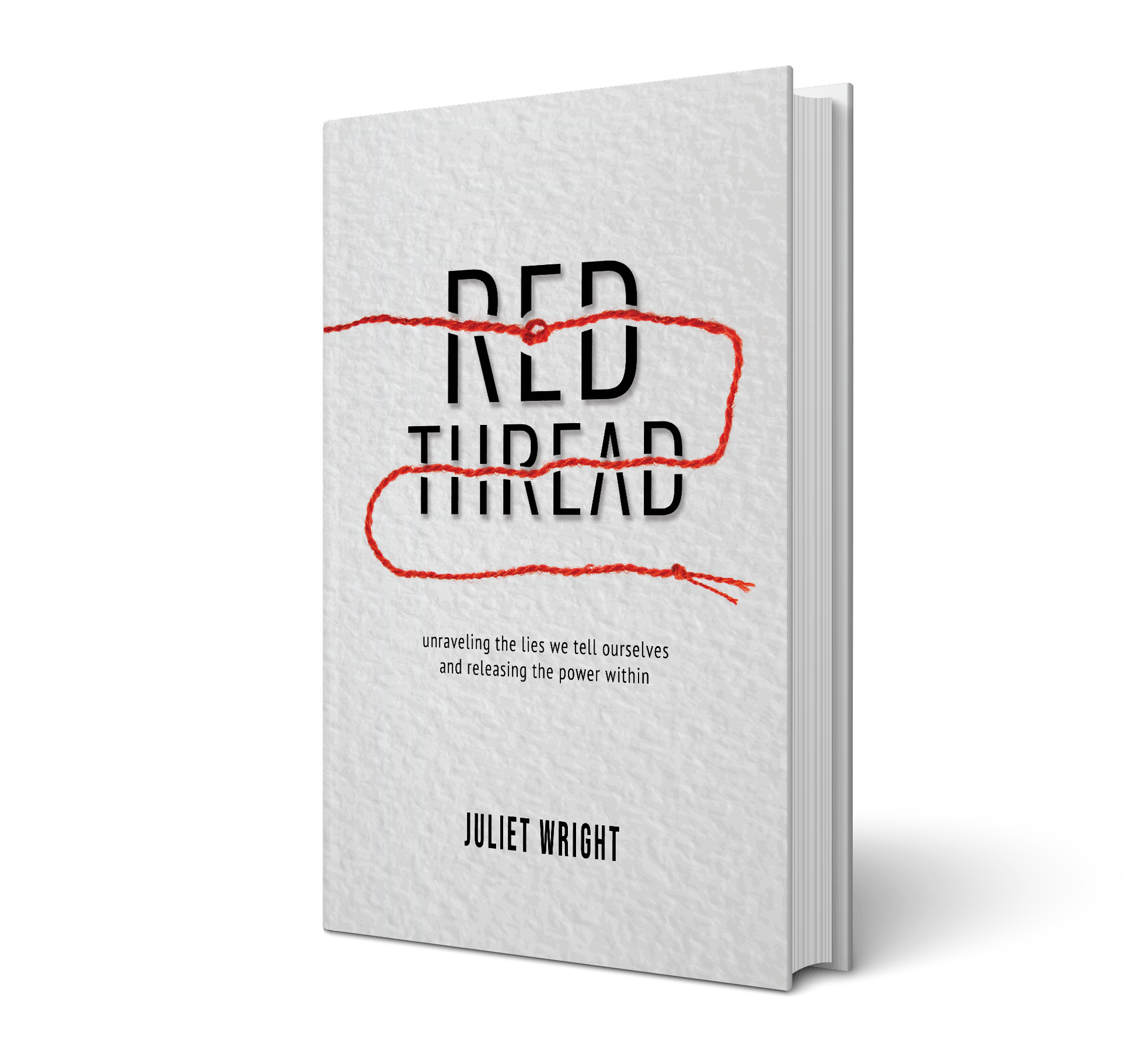
Every book, every launch, every buildout gets to eighty percent. Then something strange happens. The work slows. The momentum evaporates. Ten more days becomes ten more weeks. The finish line keeps moving further out. It is not discipline. It is not talent. It is not time. It is chemistry.
For the whole climb, your brain rewarded you for the chase. New chapters. New pages. New wins. Every step forward triggered dopamine. Then the finish came into view and the reward system inverted. Neuroscientists call it the goal-gradient effect: dopamine spikes in anticipation of the win, then collapses the moment the win feels inevitable. Your brain treats "almost done" like "already done." The Zeigarnik effect makes it worse — unfinished work sits heavier on the mind than finished work, so we avoid the very thing we most want to complete. Marathoners hit "the wall" at mile twenty. That is seventy-six percent of the race. The last quarter takes as much effort as the first three combined. The book on your desk has been on your desk for a year. It is not stuck because you are.
There is one known fix. Change the room. Cut the noise. Compress the days. Make the deadline real, and public, and social. The chemistry starts working for you again when the environment does. That is the whole thesis of what I do.
Juliet